In the agricultural world, efficiency and reliability are paramount. Australian farmers and contractors know that to keep up with demanding seasons, every tool and material must perform to the highest standard. Among the essential supplies is synthetic baler twine, a product that has revolutionised the baling process for hay, straw, and silage. Let’s explore why synthetic baler twine is the top choice for Australian farmers and what you should know when selecting the right twine for your needs. For quality synthetic baler twine, click here.
What is Synthetic Baler Twine?
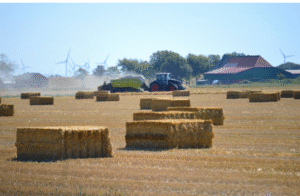 Synthetic baler twine is a strong, lightweight cord typically made from polypropylene, a durable thermoplastic polymer. It is designed specifically for use in baling machines, binding together bales of hay, straw, or other crops to ensure they are easily transported and stored. Unlike traditional sisal twine, synthetic options offer enhanced strength, weather resistance, and longevity — critical factors in Australia’s often harsh agricultural environments.
The Benefits of Synthetic Baler Twine
Choosing the right baler twine impacts not only the quality of the bale but also the efficiency of the baling operation itself. Here are the key advantages of synthetic baler twine:
Superior Strength and Durability
Australian farmers often face harsh conditions — from searing sun to heavy rain. Synthetic baler twine is engineered to withstand these extremes. Its high tensile strength ensures that bales stay securely bound even during rough handling, storage, or transport.
UV Resistance
Exposure to intense ultraviolet (UV) rays can rapidly degrade inferior materials. Quality synthetic baler twine is UV-stabilised, meaning it maintains its strength and flexibility even after prolonged exposure to the Australian sun.
Consistency and Reliability
Unlike natural fibre twines that can vary in thickness and strength, synthetic baler twine is manufactured to consistent specifications. This uniformity ensures smooth operation through balers, reducing the risk of machine jams, breakages, or wasted time.
Cost-Effectiveness
Thanks to its resilience and longer lifespan, synthetic baler twine often proves more cost-effective over time than natural alternatives. Fewer breakages mean less downtime, lower labour costs, and fewer replacement purchases.
Versatility
Whether you’re working with small square bales, large round bales, or high-density bales, synthetic baler twine is designed for your specific machine and crop type. Its versatility makes it a popular choice across Australia’s diverse agricultural sectors.
Key Considerations When Choosing Synthetic Baler Twine
Not all synthetic baler twine is created equal. When selecting the right product for your farm or contracting business, consider the following:
Bale Type and Density
High-density bales require twine with greater tensile strength. To avoid performance issues, always match the twine’s specifications to your baler’s output and the characteristics of the crop.
Twine Weight and Length
Twine is usually sold based on its weight (in kilograms) and length (in meters). For example, high-density baling typically requires thicker, heavier twine, whereas smaller bales require lighter twine. Understanding these parameters will help you choose the most efficient option.
UV Stabilisation
Look for baler twine that is manufactured specifically with UV inhibitors. This feature is especially crucial in Australia, where solar radiation levels are among the highest in the world.
Environmental Impact
Many suppliers now offer eco-friendly synthetic baler twine options made with biodegradable additives. If sustainability is a priority for your operation, inquire about these environmentally conscious alternatives.
Why Australian Farmers Trust Synthetic Baler Twine
Australian agriculture is diverse, ranging from large-scale cattle operations in Queensland to intensive hay farming in Victoria. Across these varied landscapes, synthetic baler twine has proven to be an invaluable ally.
With its combination of strength, reliability, and weather resistance, synthetic twine reduces the risks associated with baling in unpredictable conditions. Farmers trust it to protect their valuable crops and minimise losses, ensuring a more profitable harvest season year after year.
Moreover, Australian suppliers are meeting the industry’s evolving needs by offering a wide range of products tailored to local conditions. Whether you need heavy-duty twine for large bales or lighter options for everyday baling, a synthetic solution is available.
Conclusion:
In today’s demanding agricultural industry, the importance of reliable materials cannot be overstated. Synthetic baler twine provides Australian farmers with a superior solution for securing bales, enhancing operational efficiency, and minimising downtime.
With its proven durability, cost-effectiveness, and resistance to the harsh Australian climate, it’s clear why synthetic baler twine remains the trusted choice across the country.