Upholsterers Adelaide: Why Experience Makes All the Difference

When it comes to restoring, transforming, or customising furniture in Adelaide, skilled upholsterers are the unsung heroes behind the scenes. Upholstery is more than simply wrapping fabric around a frame — it’s a meticulous craft that combines artistry, precision, and technical know-how. While anyone can attempt a DIY reupholstery project, it’s the experienced upholsterers who truly master the craft, delivering beautiful, durable, and functional results.

In this article, we examine why experience is crucial in upholstery work and why selecting seasoned upholsterers can significantly impact the quality and longevity of your furniture. 

The Craftsmanship Behind Upholstery
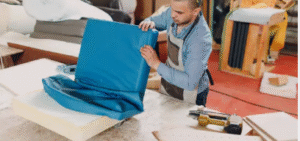
upholsterersUpholstery involves the padding, springs, webbing, and fabric or leather covers that make furniture not only comfortable but also stylish and personal. Expert upholsterers understand the importance of each component — from the inner frame to the final fabric layer. They work with a wide variety of materials, tools, and techniques, some of which date back centuries.

Experienced upholsterers have often spent years, even decades, honing their skills. They’ve mastered traditional methods, such as hand-stitched springs and horsehair stuffing, while also adapting to modern innovations in foam and fabric technology. This blend of old and new knowledge allows them to produce work that is not only visually appealing but structurally sound.

Why Experience Matters

1. In-Depth Knowledge of Materials

Experienced upholsterers possess a profound understanding of materials — specifically, how different fabrics stretch, wear, and respond to tension. They know which padding works best for certain furniture types and how to select fabric that complements both aesthetics and function. Their expertise enables them to advise clients on the most suitable options tailored to their needs and lifestyle.

2. Precision in Execution

Upholstery requires accuracy at every step — from measuring and cutting to stapling and stitching. A seasoned upholsterer can identify subtle flaws in frames or springs that an untrained eye might miss. Their attention to detail ensures that the fabric is aligned perfectly, seams are tight, and the finished product is flawless.

3. Problem-Solving Skills

Old or damaged furniture often presents unexpected challenges, such as weak joints, warped wood, or mismatched components. Experienced upholsterers have encountered—and resolved—a wide array of issues. Their ability to troubleshoot on the spot ensures the job gets done right, often saving clients time and money in the long run.

4. Preservation of Antique and Vintage Pieces

Antique furniture requires a delicate touch and a thorough understanding of traditional construction techniques. Only trained upholsterers with extensive experience can restore such pieces while preserving their historical integrity. They use period-appropriate methods and materials to maintain authenticity and value.

Custom Upholstery with a Professional Touch

Many people choose to work with professional upholsterers to customise their furniture and create one-of-a-kind pieces. Whether it’s a bold fabric choice, intricate tufting, or ergonomic adjustments, experienced upholsterers can translate a client’s vision into reality with precision and skill.

With their design insights and technical skills, these professionals collaborate with interior designers, architects, and homeowners to create furniture that seamlessly integrates into a space, both in form and function.

Supporting Sustainable Living

Working with experienced upholsterers is also a sustainable choice. Rather than discarding old furniture, reupholstering gives it a new lease of life. It reduces waste and lessens the environmental impact of manufacturing new items. Skilled upholsterers can transform outdated or worn-out furniture into pieces that look brand new, combining sustainability with craftsmanship.

Choosing the Right Upholsterer

When considering hiring an upholsterer, look for someone with a strong portfolio, positive client reviews, and extensive hands-on experience. Don’t hesitate to ask about their training, techniques, and previous projects. Many experienced upholsterers will be happy to discuss their process and provide examples of their work.

When you invest in experienced upholsterers, you’re not just paying for a service — you’re investing in quality, durability, and artistry that will stand the test of time.

Conclusion

Upholstery is an art form that requires patience, skill, and years of experience to master. While it may be tempting to go the DIY route or choose a cheaper option, the craftsmanship of seasoned upholsterers ensures long-lasting, high-quality results. From restoring cherished antiques to crafting custom masterpieces, these professionals breathe new life into furniture with care and expertise.

Choosing an experienced upholsterer isn’t just about fixing furniture — it’s about preserving comfort, enhancing design, and appreciating the enduring value of skilled craftsmanship.
Bale Wrap: Why Choosing Puncture-Resistant Moisture Bale Wrap Is a Smart Investment for Your Farm

When it comes to protecting silage and hay, every farmer in Australia knows that quality matters. A minor tear in bale wrapping can lead to air and moisture infiltration, resulting in spoiled feed and financial loss. That’s why choosing puncture-resistant moisture bale wrap is more than just a purchase—it’s a smart investment in your farm’s productivity, feed quality, and long-term efficiency.

What Is a Puncture-Resistant Moisture Bale Wrap?

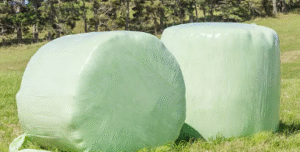
puncture resistant moisture bale wrapPuncture-resistant moisture bale wrap is a high-strength plastic film designed to tightly seal bales of hay or silage while resisting punctures from sharp plant stems, animal interference, or rough handling during transport and storage. This specialised wrap offers enhanced durability compared to standard bale films, helping to maintain optimal internal conditions and preserve feed freshness for extended periods.
The Importance of Puncture Resistance in Bale Wrapping

Bale wrap serves two critical functions: keeping moisture out and locking fermentation gases in. When punctures occur—whether from sharp stalks, animal pecks, or rough machinery—they compromise the bale’s airtight seal. Oxygen intrusion leads to mould growth, loss of dry matter, and reduced nutritional value in feed. Moisture from rain or humidity can also accelerate spoilage.

By choosing a puncture-resistant moisture bale wrap, you reduce the risk of costly damage, protect your feed investment, and improve the quality of your livestock nutrition. This results in healthier animals, better yields, and improved return on your feed storage system.

Benefits of Investing in Puncture-Resistant Moisture Bale Wrap

1. Enhanced Feed Protection

The biggest benefit of puncture-resistant moisture bale wrap is the superior protection it offers. It forms a strong, consistent seal that reduces the risk of air and water infiltration. It helps preserve the quality of hay and silage during storage months, even in challenging weather conditions.

2. Lower Spoilage Rates

Spoiled feed is a major concern for farmers. It not only leads to waste but also affects animal health. With puncture-resistant wrapping, bales are better shielded from mould, bacteria, and exposure-related degradation. You’ll see fewer discarded bales and better feed consistency.

3. Increased Wrap Longevity

High-quality puncture-resistant wraps are designed to endure. They hold up better during transport, stacking, and storage, even under pressure or strain. It means fewer repairs, less double wrapping, and reduced material usage in the long run. 

4. Better Cost Efficiency

While puncture-resistant moisture bale wrap may come at a slightly higher upfront cost, it delivers better value over time. Less feed spoilage, fewer wrapping layers required, and reduced labour for re-wrapping or disposal all contribute to long-term savings.

5. Weather-Resilient Performance

Exposure to sun, wind, rain, and snow can compromise the integrity of standard wraps. Puncture-resistant bale wrap typically features UV-resistant and water-repellent properties, making it ideal for outdoor storage and use in harsh climates.

Key Features to Look For in a Puncture-Resistant Moisture Bale Wrap

When selecting the best wrap for your farm, look for the following features:

  • Multi-layered construction: More layers provide added strength and resistance to tears.
  • High stretchability ensures tight bale wrapping and a superior seal.
  • Strong cling: Promotes a better bond between film layers, reducing oxygen infiltration.
  • UV protection: Prevents degradation from sun exposure during long-term storage.
  • Moisture barrier properties: Maintains optimal internal humidity levels for silage fermentation.

Tips for Using Puncture-Resistant Moisture Bale Wrap Effectively

To get the most out of your bale wrap investment:

  • Use a well-calibrated wrapper to ensure even application and avoid over-stretching.
  • Wrap bales as soon as possible after baling to maintain ideal moisture content.
  • Store bales on clean, dry surfaces and away from sharp objects or protrusions.
  • Regularly inspect stored bales for signs of damage and patch minor punctures early. 

A Smart Move Toward Farm Efficiency

Modern farming is all about making smarter decisions with long-term impact. Choosing puncture-resistant moisture bale wrap is a small step that yields significant benefits in protecting feed quality, reducing waste, and enhancing operational efficiency.

Instead of worrying about spoiled bales or constant repairs, you can focus on what matters most—raising healthy animals, maintaining consistent productivity, and ensuring that your farm runs smoothly throughout the seasons.

Final Thoughts

Feed preservation is a vital component of any successful farming operation. Investing in puncture-resistant moisture bale wrap offers peace of mind and proven performance. It’s a proactive way to secure your forage, extend the life of your bales, and ensure your livestock receives the highest quality nutrition.

With the right wrap in place, you’re not just protecting your feed—you’re safeguarding your farm’s future. Make the smart choice today and invest in durability, reliability, and efficiency.

Display Homes Adelaide: The Rise of Energy‑Efficient Display Homes

Adelaide is fast establishing itself as a leader in sustainable residential design, with energy-efficient display homes increasingly dominating the landscape. From certified Passivhaus models to showcase villages and modular prototypes, these display homes are elevating expectations for efficiency, comfort, and long‑term value across South Australia.

Setting the Stage: Changing Standards in South Australian Home Building

From October 1, 2024, South Australia mandates that all new residential construction meet a minimum seven-star energy efficiency rating under the National Construction Code, raising the bar from six stars.

Showcase Villages Leading the Way

energy-efficient display homesAt Beyond Today, near Adelaide, award‑winning local builders have created one of Australia’s most sustainable display villages. These energy-efficient display homes feature a broad range of passive design principles and renewable technologies, all displayed in a visitor-friendly and informative context that extends beyond the present day. Prospective homeowners can see how solar orientation, ventilation strategies, and high-performance materials translate into a practical and efficient living experience.
Newenham Display Home by Adelaide Green Homes

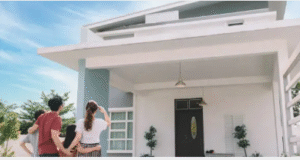
Adelaide Green Homes has opened a new energy‑wise display home at Newenham, Mount Barker. Combining passive solar design (a north-facing roof slope for optimal solar gain), thermal mass, and natural landscaping, this home demonstrates how energy-efficient display homes can be visually striking and environmentally responsible.

Certified Passivhaus Standard in Adelaide

Passive House Adelaide & Enduro Builders

South Australia’s first certified Passivhaus display home—backed by Passive House Adelaide and Enduro Builders—sets a premium standard for energy‑efficient display homes. This exemplar offers:

  • Super‑tight building envelope (air changes per hour <0.6 ACH)
  • High‑performance insulation and double‑glazed PVC‑framed windows
  • Heat‑recovery ventilation for clean, filtered indoor air.
  • Minimal thermal bridging and consistent indoor temperature.

Visitors can sense the difference—quiet interiors, healthy air quality, and radiant comfort even with the lights off, making it a powerful demonstration of what actual energy efficiency looks like in real life.

Energy‑Efficient Display Homes & Market Value

Research shows that homes featuring solar power, efficient glazing, and passive design features can command higher buyer interest, especially in South Australia, where 62% of surveyed residents rated energy efficiency as “important or extremely important”

Innovation Beyond Passive Design: Modular & Net‑Zero Projects

Modular Homes with Efficiency in Mind

Companies like BoxMod are introducing prefabricated modular housing in Adelaide. These homes are assembled off-site in factory conditions and offer scalable, energy-conscious features, with options for upgraded insulation, fixtures, and all-electric layouts.

Aldinga Net‑Zero Carbon Estate

Aldinga, south of Adelaide, is emerging as a net‑zero‑carbon demonstration precinct with over 800 homes planned. Approximately 25% of the housing is affordable, all featuring energy-efficient design, tree canopy coverage, and passive building principles—extending the philosophy of energy-efficient display homes into whole neighbourhood planning.

Key Features That Define Energy‑Efficient Display Homes

Passive Solar Orientation and Thermal Mass

Northern exposure, roof pitch aligned for solar gain, insulated slabs, and Trombe walls help minimise cooling and heating loads—integral to Adelaide’s tailored energy-efficient display homes, Newenham.

Airtight Building Envelope and Superior Glazing

Passivhaus-level air tightness (0.6 ACH) or high-efficiency double-glazing systems reduce heat transfer and drafts. Many display models emphasise PVC-framed windows to eliminate aluminium thermal bridging, as seen in Enduro Builders.

Mechanical Ventilation with Heat Recovery

HRV systems ensure continuous fresh air while recovering heat energy and reducing indoor pollutants, enhancing both energy performance and occupant health in energy-efficient display homes.

Integrated Solar and Battery Systems

Homes like those at Oakden Rise incorporate solar PV systems (~6.6 kW), battery storage, smart home control, and EV chargers. These features demonstrate how energy-efficient display homes can achieve self-sufficiency and lower operating costs in the Adelaide region.

Why Prospective Buyers Should Visit Energy‑Efficient Display Homes

  • Experience absolute comfort: no claims—through temperature stability, quiet interiors, and breathable air.
  • Understand the value in both reduced utility bills and increased resale appeal.
  • See design innovation in action: From passive orientation to integrated systems.
  • Ask questions in situ: Four guides explain tradeoffs, upfront costs, and projected energy savings.
  • Visualise modern sustainable living: These homes blend aesthetic beauty with performance.

Conclusion:

The rise of energy‑efficient display homes in Adelaide reflects a confident progression toward greener living. These homes deliver on multiple fronts: regulatory compliance (seven‑star NABERS/NCC), occupant health and comfort, long‑term financial value, and reduced emissions.

From certified Passivhaus showcase homes to modular prototypes and master-planned net-zero estates, Adelaide offers residents and prospective buyers a genuine insight into a sustainable housing future.

Kitchen Appliances Adelaide: The Rise of Modern Kitchen Appliances

In Adelaide, South Australia, home cooking is transforming. As residents embrace convenience, energy efficiency, style and performance, modern kitchen appliances are increasingly central to how we prepare meals, entertain guests and elevate everyday culinary routines.

Smart Technology Meets Everyday Cooking

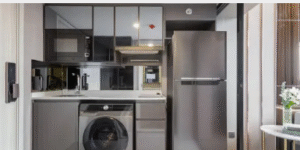
modern kitchen appliancesAdelaide homeowners are increasingly investing in modern kitchen appliances that integrate smart connectivity and AI‑driven functionality. Brands like LG, Electrolux (AEG), and Fisher & Paykel now offer smart ovens, fridges, and induction cooktops that combine Wi-Fi control, voice commands, remote monitoring, and ingredient recognition. For example, LG’s InstaView Full Steam Oven and interactive AI panels, featured in collaborations with MasterChef Australia, empower users to cook with greater confidence and precision.

Similarly, Electrolux’s AEG CookSmart Touch displays launched in Australia during mid-2025 bring air-fry, thermal-probe guided roasting, and AI-powered taste-assist tools into modern home kitchens, further reinforcing how modern kitchen appliances are redefining cooking in Adelaide.

Induction Cooktops: Fast, Safe, Stylish

One of the most transformative additions to Adelaide kitchens is the adoption of induction cooktops. These modern kitchen appliances deliver rapid heating, precise temperature control, and significantly improved energy efficiency, often saving over 10% compared to gas or electric stoves. Local suppliers, such as Adelaide Appliance Gallery, highlight models like Miele’s KM 7999 FL, which even syncs with rangehoods to adjust extraction automatically, offering both safety and elegance in open layouts.

The flat, knobless design is easier to clean and supports minimalist styling, aligning with broader trends in Adelaide’s home renovations toward uncluttered, linear aesthetics.

Combi Steam Ovens and All‑in‑One Cooking Solutions

As time‑pressed households seek versatility, modern kitchen appliances like combi steam ovens are becoming essential. These devices combine steam and convection functions to enable roasting, baking, steaming and more in one unit. Adelaide designers now recommend them for delivering restaurant-quality results, retaining nutrients in vegetables, and producing moist, flavorful roasts with minimal supervision.

Homeowners also gravitate toward multifunctional ovens with built-in air-frying, sous-vide, or broil settings—a consolidation that reduces countertop clutter and simplifies meal preparation.

Small Appliances with Big Impact

Beyond built‑ins, small modern kitchen appliances are reshaping daily cooking in Adelaide homes. Multi-cookers and Thermomix-style cookers offer dozens of automated functions—pressure cooking, slow cooking, blending, and more—streamlining meal prep and reducing cleanup.

Meanwhile, the Ninja CREAMi and Ninja SLUSHi have sparked a social‑media‑fuelled craze in Australia. These appliances enable DIY frozen treats, gelatos and cocktails — a playful yet functional addition to the modern home kitchen.

Seamless Integration & Design Sensibility

Beauty and function come together as modern kitchen appliances are now seamlessly integrated into cabinetry. Concealed fridges, dishwashers and ovens provide a streamlined, minimalist look. Adelaide’s affluent renovations frequently feature models like Liebherr integrated monolith fridges and hidden drawer formats that blend seamlessly into the architecture.

Down‑draft cooktops and circular rangehoods are also gaining popularity, maintaining sleek profiles and preserving open‑plan sightlines—ideal for modern Adelaide home layouts.

Sustainability and Energy Efficiency

Eco-conscious Adelaide homeowners are opting for modern kitchen appliances that reduce energy and environmental footprint. Induction cooktops, Energy Star-certified dishwashers and smart fridges help lower carbon emissions and utility costs. Reports show that energy-efficient models consume up to 37% less energy than older units.

In addition, low-flow sensor taps, recycled materials in cabinetry, and antimicrobial benchtops pair well with modern appliances to create healthier, more sustainable kitchens in South Australia.

Enhancing Wellness and Lifestyle

Modern home cooking in Adelaide isn’t just about meals—it’s about wellbeing. Many modern kitchen appliances now incorporate health-driven functions, such as steam ovens that preserve nutrients, sous-vide precision cookers that maintain optimal textures, and air-fry modes that reduce oil usage.

In working households, these devices save time and reduce cleanup, enabling more relaxed evenings and focused family time. Partnerships between brands and institutions, such as MasterChef Australia, have promoted not just cooking performance but also cooking enjoyment and lifestyle elevation in South Australian homes.

Conclusion:

The era of modern kitchen appliances is redefining cooking in Adelaide homes. From AI-enabled ovens and induction cooktops to multifunctional steam ovens and multitasker multi-cookers, these innovations bring speed, precision, sustainability, and style into daily life.

As more Adelaideans invest in cohesive, appliance‑led kitchen redesigns—incorporating eco‑friendly materials, integrated storage, and smart setups—home cooking is evolving into an artful, intuitive, and efficient pursuit. Modern kitchen appliances now do more than assist food preparation—they elevate it, transforming kitchens into centres of wellness, creativity and confident dining in South Australian homes.