Bale Wrap: Why Choosing Puncture-Resistant Moisture Bale Wrap Is a Smart Investment for Your Farm

When it comes to protecting silage and hay, every farmer in Australia knows that quality matters. A minor tear in bale wrapping can lead to air and moisture infiltration, resulting in spoiled feed and financial loss. That’s why choosing puncture-resistant moisture bale wrap is more than just a purchase—it’s a smart investment in your farm’s productivity, feed quality, and long-term efficiency.

What Is a Puncture-Resistant Moisture Bale Wrap?
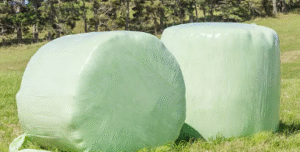
puncture resistant moisture bale wrapPuncture-resistant moisture bale wrap is a high-strength plastic film designed to tightly seal bales of hay or silage while resisting punctures from sharp plant stems, animal interference, or rough handling during transport and storage. This specialised wrap offers enhanced durability compared to standard bale films, helping to maintain optimal internal conditions and preserve feed freshness for extended periods.

The Importance of Puncture Resistance in Bale Wrapping

Bale wrap serves two critical functions: keeping moisture out and locking fermentation gases in. When punctures occur—whether from sharp stalks, animal pecks, or rough machinery—they compromise the bale’s airtight seal. Oxygen intrusion leads to mould growth, loss of dry matter, and reduced nutritional value in feed. Moisture from rain or humidity can also accelerate spoilage.

By choosing a puncture-resistant moisture bale wrap, you reduce the risk of costly damage, protect your feed investment, and improve the quality of your livestock nutrition. This results in healthier animals, better yields, and improved return on your feed storage system.

Benefits of Investing in Puncture-Resistant Moisture Bale Wrap

1. Enhanced Feed Protection

The biggest benefit of puncture-resistant moisture bale wrap is the superior protection it offers. It forms a strong, consistent seal that reduces the risk of air and water infiltration. It helps preserve the quality of hay and silage during storage months, even in challenging weather conditions.

2. Lower Spoilage Rates

Spoiled feed is a major concern for farmers. It not only leads to waste but also affects animal health. With puncture-resistant wrapping, bales are better shielded from mould, bacteria, and exposure-related degradation. You’ll see fewer discarded bales and better feed consistency.

3. Increased Wrap Longevity

High-quality puncture-resistant wraps are designed to endure. They hold up better during transport, stacking, and storage, even under pressure or strain. It means fewer repairs, less double wrapping, and reduced material usage in the long run. 

4. Better Cost Efficiency

While puncture-resistant moisture bale wrap may come at a slightly higher upfront cost, it delivers better value over time. Less feed spoilage, fewer wrapping layers required, and reduced labour for re-wrapping or disposal all contribute to long-term savings.

5. Weather-Resilient Performance

Exposure to sun, wind, rain, and snow can compromise the integrity of standard wraps. Puncture-resistant bale wrap typically features UV-resistant and water-repellent properties, making it ideal for outdoor storage and use in harsh climates.

Key Features to Look For in a Puncture-Resistant Moisture Bale Wrap

When selecting the best wrap for your farm, look for the following features:

  • Multi-layered construction: More layers provide added strength and resistance to tears.
  • High stretchability ensures tight bale wrapping and a superior seal.
  • Strong cling: Promotes a better bond between film layers, reducing oxygen infiltration.
  • UV protection: Prevents degradation from sun exposure during long-term storage.
  • Moisture barrier properties: Maintains optimal internal humidity levels for silage fermentation.

Tips for Using Puncture-Resistant Moisture Bale Wrap Effectively

To get the most out of your bale wrap investment:

  • Use a well-calibrated wrapper to ensure even application and avoid over-stretching.
  • Wrap bales as soon as possible after baling to maintain ideal moisture content.
  • Store bales on clean, dry surfaces and away from sharp objects or protrusions.
  • Regularly inspect stored bales for signs of damage and patch minor punctures early. 

A Smart Move Toward Farm Efficiency

Modern farming is all about making smarter decisions with long-term impact. Choosing puncture-resistant moisture bale wrap is a small step that yields significant benefits in protecting feed quality, reducing waste, and enhancing operational efficiency.

Instead of worrying about spoiled bales or constant repairs, you can focus on what matters most—raising healthy animals, maintaining consistent productivity, and ensuring that your farm runs smoothly throughout the seasons.

Final Thoughts

Feed preservation is a vital component of any successful farming operation. Investing in puncture-resistant moisture bale wrap offers peace of mind and proven performance. It’s a proactive way to secure your forage, extend the life of your bales, and ensure your livestock receives the highest quality nutrition.

With the right wrap in place, you’re not just protecting your feed—you’re safeguarding your farm’s future. Make the smart choice today and invest in durability, reliability, and efficiency.
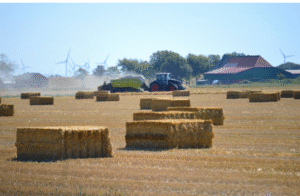
Baler Twine: Reliable Solutions for Farming Success

In the agricultural world, efficiency and reliability are paramount. Australian farmers and contractors know that to keep up with demanding seasons, every tool and material must perform to the highest standard. Among the essential supplies is synthetic baler twine, a product that has revolutionised the baling process for hay, straw, and silage. Let’s explore why synthetic baler twine is the top choice for Australian farmers and what you should know when selecting the right twine for your needs. For quality synthetic baler twine, click here.

What is Synthetic Baler Twine?

synthetic baler twineSynthetic baler twine is a strong, lightweight cord typically made from polypropylene, a durable thermoplastic polymer. It is designed specifically for use in baling machines, binding together bales of hay, straw, or other crops to ensure they are easily transported and stored. Unlike traditional sisal twine, synthetic options offer enhanced strength, weather resistance, and longevity — critical factors in Australia’s often harsh agricultural environments.
The Benefits of Synthetic Baler Twine

Choosing the right baler twine impacts not only the quality of the bale but also the efficiency of the baling operation itself. Here are the key advantages of synthetic baler twine:

Superior Strength and Durability

Australian farmers often face harsh conditions — from searing sun to heavy rain. Synthetic baler twine is engineered to withstand these extremes. Its high tensile strength ensures that bales stay securely bound even during rough handling, storage, or transport.

UV Resistance

Exposure to intense ultraviolet (UV) rays can rapidly degrade inferior materials. Quality synthetic baler twine is UV-stabilised, meaning it maintains its strength and flexibility even after prolonged exposure to the Australian sun.

Consistency and Reliability

Unlike natural fibre twines that can vary in thickness and strength, synthetic baler twine is manufactured to consistent specifications. This uniformity ensures smooth operation through balers, reducing the risk of machine jams, breakages, or wasted time.

Cost-Effectiveness

Thanks to its resilience and longer lifespan, synthetic baler twine often proves more cost-effective over time than natural alternatives. Fewer breakages mean less downtime, lower labour costs, and fewer replacement purchases.

Versatility

Whether you’re working with small square bales, large round bales, or high-density bales, synthetic baler twine is designed for your specific machine and crop type. Its versatility makes it a popular choice across Australia’s diverse agricultural sectors.

Key Considerations When Choosing Synthetic Baler Twine

Not all synthetic baler twine is created equal. When selecting the right product for your farm or contracting business, consider the following:

Bale Type and Density

High-density bales require twine with greater tensile strength. To avoid performance issues, always match the twine’s specifications to your baler’s output and the characteristics of the crop.

Twine Weight and Length

Twine is usually sold based on its weight (in kilograms) and length (in meters). For example, high-density baling typically requires thicker, heavier twine, whereas smaller bales require lighter twine. Understanding these parameters will help you choose the most efficient option.

UV Stabilisation

Look for baler twine that is manufactured specifically with UV inhibitors. This feature is especially crucial in Australia, where solar radiation levels are among the highest in the world.

Environmental Impact

Many suppliers now offer eco-friendly synthetic baler twine options made with biodegradable additives. If sustainability is a priority for your operation, inquire about these environmentally conscious alternatives.

Why Australian Farmers Trust Synthetic Baler Twine

Australian agriculture is diverse, ranging from large-scale cattle operations in Queensland to intensive hay farming in Victoria. Across these varied landscapes, synthetic baler twine has proven to be an invaluable ally.

With its combination of strength, reliability, and weather resistance, synthetic twine reduces the risks associated with baling in unpredictable conditions. Farmers trust it to protect their valuable crops and minimise losses, ensuring a more profitable harvest season year after year.

Moreover, Australian suppliers are meeting the industry’s evolving needs by offering a wide range of products tailored to local conditions. Whether you need heavy-duty twine for large bales or lighter options for everyday baling, a synthetic solution is available.

Conclusion:

In today’s demanding agricultural industry, the importance of reliable materials cannot be overstated. Synthetic baler twine provides Australian farmers with a superior solution for securing bales, enhancing operational efficiency, and minimising downtime.

With its proven durability, cost-effectiveness, and resistance to the harsh Australian climate, it’s clear why synthetic baler twine remains the trusted choice across the country.

Asbestos Testing Adelaide: Ensuring Safety and Compliance

Asbestos was once widely used in Australian construction due to its durability and resistance to fire and heat. However, we now know the serious health risks associated with asbestos exposure, including asbestosis, mesothelioma, and lung cancer. If your property in Adelaide was built before the 1990s, there’s a chance it may contain asbestos materials.

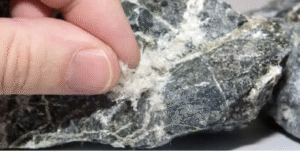
asbestos testingIt makes asbestos testing in Adelaide a critical service for homeowners, business owners, and property developers seeking to ensure the safety of occupants and maintain legal compliance. For professional asbestos testing services, click here.
Why Asbestos Testing Is Crucial in Adelaide

Adelaide, like many parts of South Australia, is home to a wide range of older residential, commercial, and industrial buildings. Many of these structures were constructed when asbestos-containing materials (ACMs) were commonly used in roofing, flooring, insulation, and wall cladding.

Asbestos testing in Adelaide is essential because asbestos can remain dormant and harmless as long as it’s intact and undisturbed. However, renovations, demolitions, or even natural wear and tear can release harmful asbestos fibres into the air, posing serious health risks. Testing identifies the presence and condition of asbestos, enabling safe and informed decisions moving forward.

Who Needs Asbestos Testing?

Whether you’re a homeowner planning a renovation, a property investor buying an older building, or a business owner operating in a warehouse built decades ago, you could benefit from professional asbestos testing in Adelaide.

Key Scenarios Where Asbestos Testing is Required:

  • Before renovations or demolitions
  • During property sales or pre-purchase inspections
  • When occupants report respiratory issues or visible material degradation
  • As part of workplace health and safety assessments

Adelaide councils and South Australian workplace safety laws often require testing and safe management of ACMs in both public and private structures, making early detection a brilliant and sometimes mandatory move.

The Asbestos Testing Process

When you engage a licensed professional for asbestos testing in Adelaide, you can expect a systematic and thorough approach:

  1. Initial Site Assessment: A trained technician inspects the property for potential ACMs, noting areas that may need sampling.
  2. Sample Collection: Small material samples are carefully removed using safe procedures that minimise fibre release.
  3. Laboratory Analysis: In confirming the presence of asbestos, samples are analysed in a NATA-accredited lab using methods such as polarised light microscopy (PLM) or scanning electron microscopy (SEM).
  4. Reporting: A detailed report is provided, outlining where asbestos is present, what type it is, its condition, and recommendations for management or removal.

Health Risks of Asbestos Exposure

One of the main reasons asbestos testing in Adelaide services is in demand is the profound health implications of exposure. When asbestos fibres become airborne and are inhaled, they can embed in lung tissue and remain there for years. The symptoms of asbestos-related illnesses often take decades to appear.

Health Conditions Caused by Asbestos:

  • Mesothelioma: A rare and aggressive cancer affecting the lining of the lungs or abdomen.
  • Asbestosis: A chronic lung disease resulting from heavy asbestos exposure.
  • Lung Cancer: Increased risk for individuals exposed to high levels of asbestos over long periods.

Early detection through professional asbestos testing can prevent exposure and give you peace of mind.

Choosing a Qualified Asbestos Testing Provider in Adelaide

Not all asbestos testing services are created equal. It’s essential to choose a provider that is licensed, insured, and experienced in local regulations and standards.

What to Look for in a Testing Provider:

  • SA Government Licensed Asbestos Assessor
  • Use of NATA-accredited laboratories
  • Clear, comprehensive reporting
  • Experience with residential, commercial, and industrial sites
  • Strong safety protocols and transparent pricing

A qualified provider will not only conduct accurate testing but also guide you through the following steps—whether that’s safe management, encapsulation, or complete removal.

Conclusion:

If you own, manage, or plan to renovate an older property in South Australia, don’t take chances with asbestos. Professional asbestos testing in Adelaide ensures the safety of occupants and aligns your property with legal standards. With expert testing and guidance, you can take control of potential risks and move forward with confidence and peace of mind.

For peace of mind, make asbestos testing your first step toward a safer, healthier environment in Adelaide.

What Advantages Are You Getting from a Carport Instead of Building a Garage?

Having a garage at home is a luxury for some, and the reason is that not all homes have enough space to build one. Nevertheless, you should know that there is a practical alternative to a garage minus the need for a big area and permits from the local building authorities. The option comes in the form of a carport.


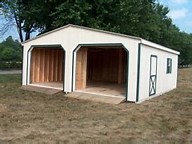
It is no secret that building a garage is something you dream of, but you should know that it may not be the most feasible option for you. Many homeowners have come to realise that. For them, the best solution is installing timber carports Adelaide. Opting for a wooden-made carport will give you the following advantages:

1 – Carports are affordable.

As mentioned earlier, a garage is not the most practical investment you will make since it is expensive. You need to have thousands of dollars to construct even a one-car garage. Fortunately, you no longer need to produce a lot of money to provide shelter to your vehicle from the damaging sun rays and snow if you invest in carports. Its functionality is exceptionally similar to a garage but without requiring thousands of dollars.

2 – They offer maximum portability.

One of the best advantages of carports over a garage is its portability. This type of shelter can be moved or positioned anywhere you want to. Thus, if you decide at a later time that your carport would benefit you more in another part of your property, you can easily and quickly move it without creating any damage or hassle. Plus, if you plan to move to another house, you can efficiently take it with you by merely disassembling it.

3 – Timber carports Adelaide offer convenience unlike any other.

Unlike garage that takes a lot of time and effort to construct, carports can be quickly installed as fast as possible. Not only that but if you have the right tools needed for the installation, you can do it all by yourself. Instead of waiting for the lengthy construction process to be completed with a garage, you can have your new carport structure ready to be used within a couple of days. Aside from that, investing in a carport reduces the difficulty that comes along when hiring a contractor and dealing with the construction nuisances involved in the entire process of building a garage. Plus, if you want it to complement the overall design of your home, you can customise your carport according to your likes and wants.

There are more advantages a carport can offer compared to a garage. You might be surprised that investing in timber carports can fulfil your unique needs. Although for some, they always dream of having a garage, never take for granted what carports can offer.